Why parents should invest time to track their baby growth in the first 3 years of their baby's life.
The first three years of your baby's life are a critical period of brain development. Discover practical ways parents can support their baby's growth through environment, play, language, and physical activity.

By Anat Furstenberg, Child Development Specialist · 20+ years
December 19, 2022·3 min read

Key Takeaways
- check_circleThe First Three Years Are the Most Critical: Your baby's brain grows faster in the first three years than at any other time in life, making this window the most important period for experiences that shape cognitive, social, and emotional development.
- check_circlePlay Is How Babies Learn: Interactive play, including reading books, singing, and exploring age-appropriate toys, is one of the most powerful ways parents can support their baby's development because children are literally built to learn through play.
- check_circleTalk to Your Baby Constantly: Even before your baby can respond with words, talking, singing, and reading to them every day builds their language foundation and vocabulary in ways that have lasting effects on literacy and communication.
- check_circleIndependence and Limits Both Matter: Encouraging your child to try tasks on their own, like self-feeding or dressing, builds confidence, while setting clear, loving boundaries helps them understand expectations and feel secure.
- check_circleTracking Growth Helps Catch Concerns Early: Actively monitoring your baby's milestones in physical, language, and social development means you are more likely to notice when something needs attention and can seek help at the point when it makes the biggest difference.
Your baby's growth in the first three years of life represents a critical period of development. It is during this time that a child's brain is rapidly growing and developing. Research has shown that experiences during this period can have a significant impact on a child's cognitive, social, and emotional development.
Ways Parents Can Support Their Baby's Growth
Providing a safe and nurturing environment:
This includes creating a physically safe space for the child to explore and learn, as well as providing emotional support and responsiveness to the child's needs. Ensuring that the child's physical needs are met — a clean and comfortable place to sleep, proper nutrition, and hydration — as well as creating a warm and loving atmosphere that promotes emotional well-being will stimulate baby growth.
Engaging in play and exploration:
Play is an important way for children to learn and develop. Parents can support their child's development by engaging in interactive play, such as reading books, singing songs, and playing with toys. Children learn through play, so it's important to provide a variety of age-appropriate toys and materials that allow them to engage with the world around them.
Encouraging language development:
Talking, singing, and reading to a child can help to stimulate language development. Parents can also encourage their baby's growth by encouraging them to use words to express their needs and feelings.
Providing opportunities for physical activity:
Physical activity is important for a child's overall development, including their physical, cognitive, and social-emotional development. Parents can encourage physical activity by providing opportunities for their child to play and explore their environment.
Read to your child:
Reading to your child is an excellent way to stimulate their language development and encourage a love of reading.
Talk to your child:
Even in the earliest stages of life, children are learning to communicate and understand language. Talking to your child helps to develop their language skills and build their vocabulary.
Encourage independence:
As children grow and develop, it's important to encourage them to try new things and be independent. This can be as simple as letting them feed themselves or dress themselves.
Set limits and boundaries:
While it's important to encourage independence, it's also important to set clear limits and boundaries for children, as this helps them understand what is and is not acceptable behavior.
Provide opportunities for social interaction:
Social interaction is an important part of children's development, so it's important to provide opportunities for them to interact with other children and adults.
Encourage creativity:
Children are naturally curious and creative, so it's important to provide opportunities for them to explore and express themselves creatively through art, music, and other activities.
Foster a love of learning:
Encourage a love of learning in your child by exposing them to a variety of activities and experiences that allow them to learn and discover new things.
Want to go deeper?
Get the full development system for your baby
Week-by-week guidance, milestone tracking, and expert video classes, all in one place.
See Plans & Pricingarrow_forwardYou May Also Like
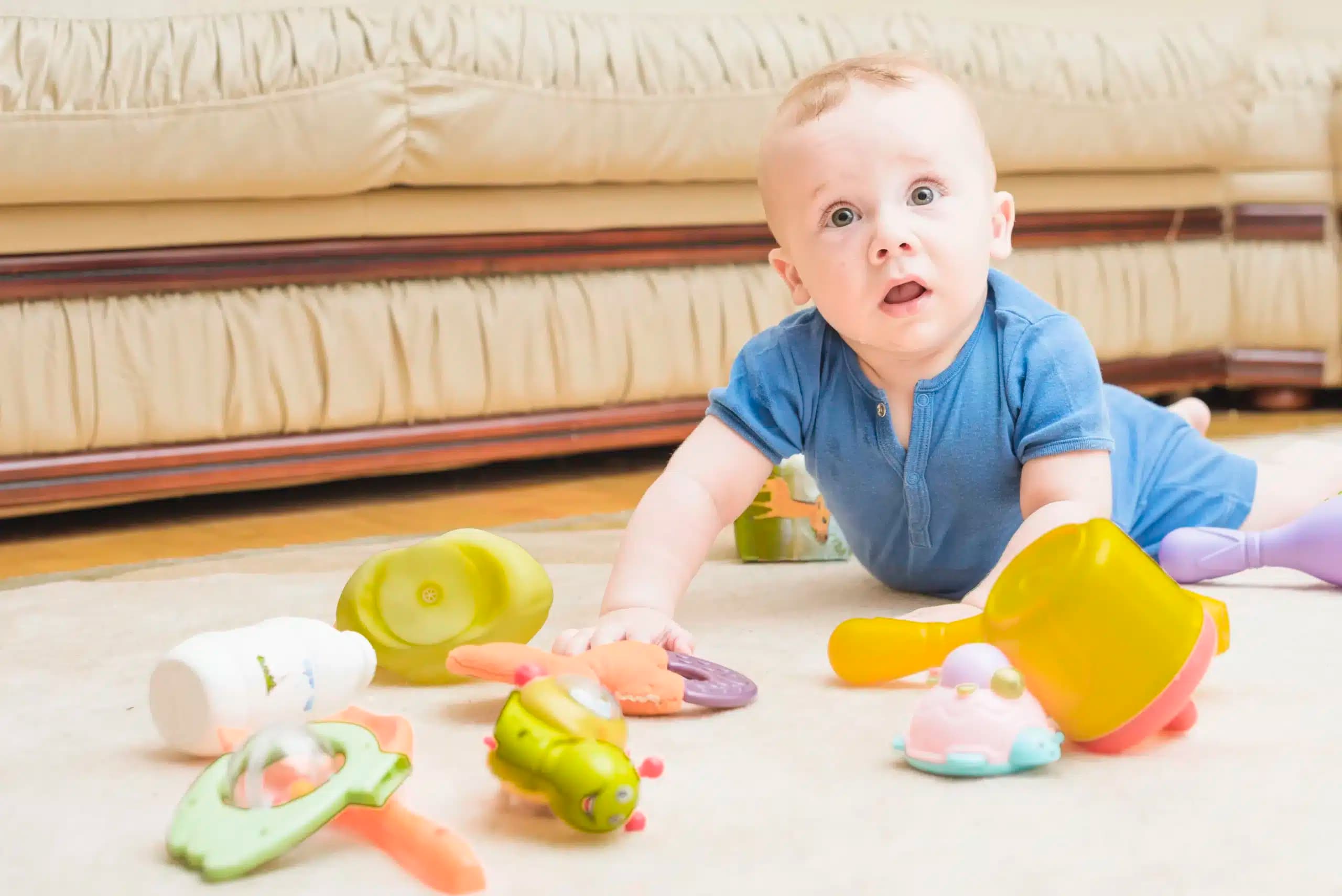
6 Month Old Baby Activities And Developmental Milestones
Fostering Early Development: A Guide to 6-Month-Old Baby Activities. Discover the foundations of your 6-month-old's growth journey. Learn how pivotal early development is, and why building a strong bond with your baby matters. Explore the keys to creating a safe, stimulating environment and the importance of routine. Find out why parental support and self-care are essential for a fulfilling parenting experience.
Read Morearrow_forward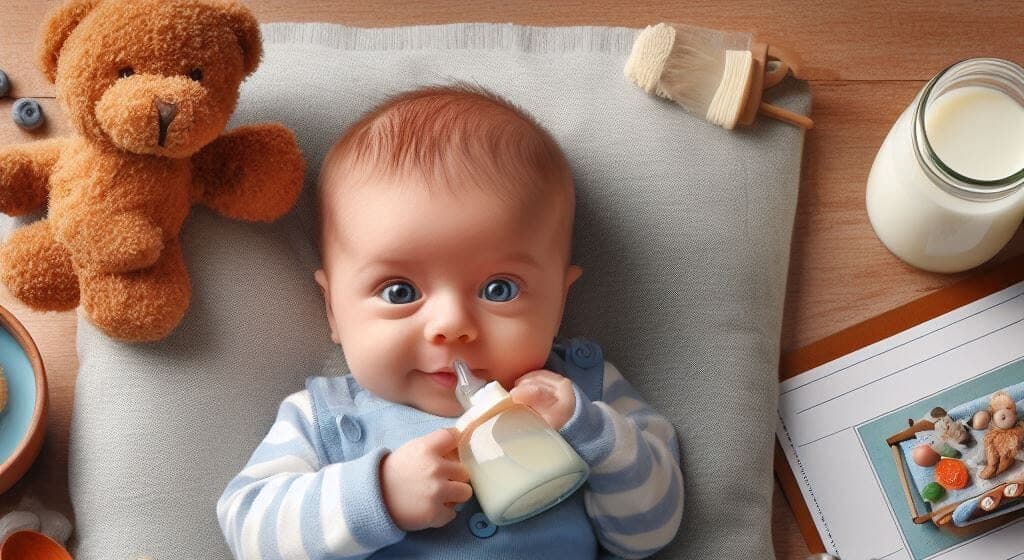
Your Ultimate Guide: Activities for 3 Month Old Infants
Introduction to activities for 3-month-olds: Explore 29 creative ways to play and learn with your baby during their critical early months. From sensory playtime to heartwarming cuddles, each activity fosters sensory development and strengthens your bond. Adapt activities to your baby's unique pace and preferences, always prioritizing safety and comfort. Cherish these early moments of discovery.
Read Morearrow_forward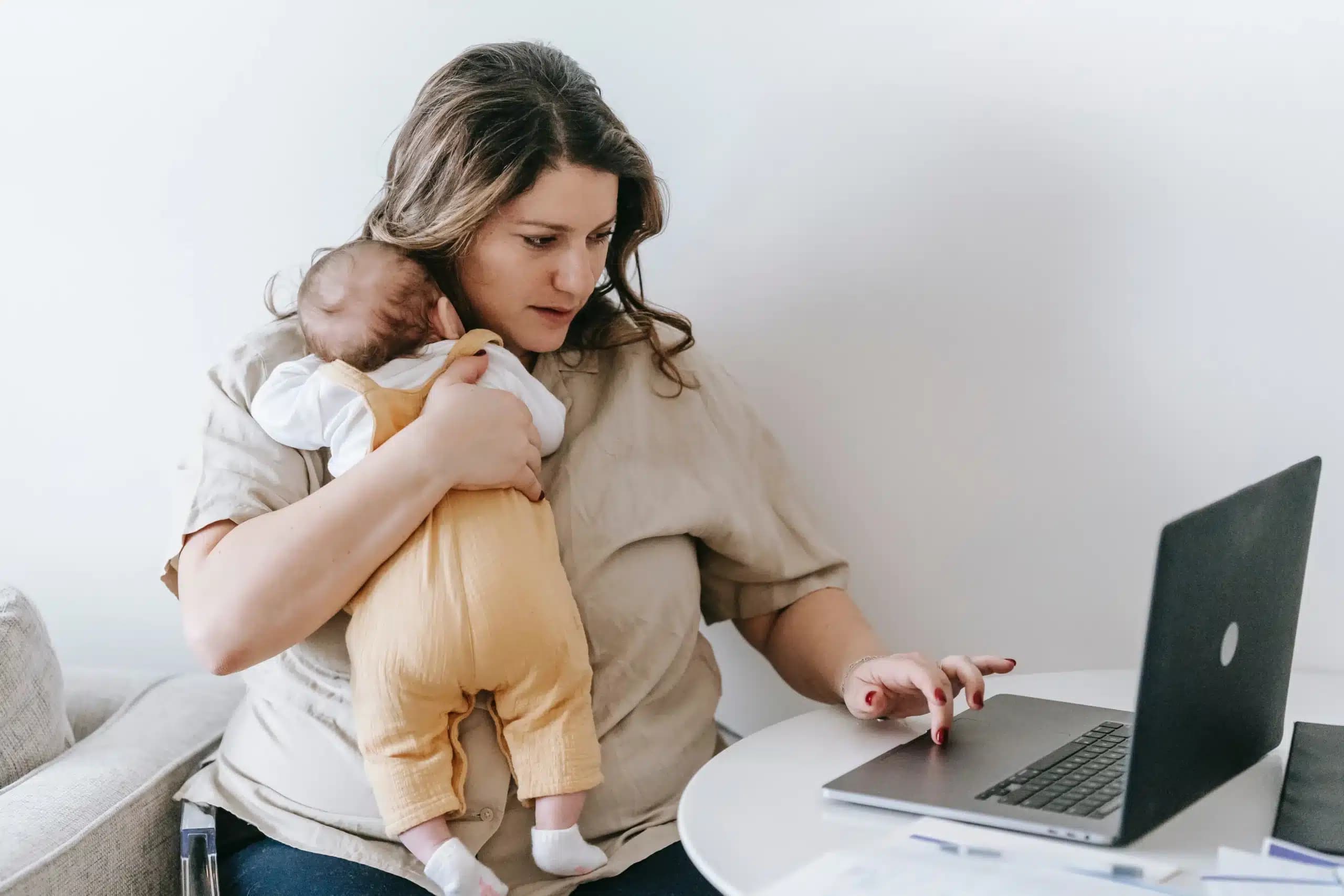
Your 3 Month Old Baby Activities And Developmental Milestones
Fostering Your 3-Month-Old's Growth: Activities & Milestones At 3 months, your baby enters a world of swift development. Discover how early engagement bolsters the parent-child bond, language skills, and physical growth. Explore sensory play's role in cognitive and emotional development through texture, color, and sound. Embrace music and movement for brain stimulation and emotional expression. Join our journey in nurturing your baby's growth.
Read Morearrow_forward