Baby Brain Development: Activities & Expert Guide
Nurturing Young Minds: A Journey Through Baby Brain Development Parenthood is an awe-inspiring adventure, especially when it comes to your baby's brain development. This blog post unravels the intricacies of nurturing young minds. From prenatal factors to cognitive and emotional growth, we explore it all. Discover how to foster an enriching environment, encourage cognitive skills, and support emotional development. Join us on this captivating journey.

By Anat Furstenberg, Child Development Specialist · 20+ years
Last updated: June 5, 2026·5 min read

arrow_downwardJump to section
Key Takeaways
- check_circleBrain Development Starts Before Birth: Your baby's brain is already forming in the womb, shaped by nutrition, stress levels, and sensory experiences, making the prenatal period a critical foundation for lifelong learning.
- check_circleThe First Years Are a Window of Opportunity: During the first few years, your baby's brain undergoes synaptogenesis and myelination, forming the neural connections that underpin cognitive, emotional, and social skills for life.
- check_circleEmotional Regulation Needs Nurturing: Babies learn to manage their emotions gradually, and your consistent, warm responses to their cues directly shape their capacity for emotional resilience and self-regulation as they grow.
- check_circleSocial Connection Drives Cognitive Growth: Babies are wired for social interaction from birth. Face-to-face time, conversation, and play with you are among the most powerful stimulants for your baby's developing brain.
- check_circleMusic and Play Accelerate Learning: Singing, rhythmic games, and interactive play engage multiple brain regions at once, making them highly effective tools for supporting your baby's cognitive and language development every day.
Introduction: Baby Brain Development: Activities & Expert Guide
The journey of parenthood is a remarkable one, filled with countless wonders and discoveries. One of the most fascinating aspects is the development of your baby’s brain. In this blog post, we will explore the intricate world of baby brain development and provide insights into how you can nurture and support it.
Frequently Asked Questions:
Prenatal Development
Before a baby takes their first breath, their brain is already at work, developing in the womb. It’s a period of incredible growth and sensitivity. Factors such as nutrition, stress, hormones, and sensory stimulation all play a crucial role in shaping the foundation of a baby’s brain. As parents, understanding this stage can empower you to provide the best environment for your baby’s development.
Baby Brain Development And Growth
In the first few years of life, a baby’s brain experiences remarkable growth. Different regions of the brain become specialized for specific functions. Synaptogenesis, pruning, myelination, and plasticity are some of the milestones and challenges that occur during this period. These processes lay the groundwork for future cognitive and emotional development.
Cognitive Skills
As your baby grows, so do their cognitive skills. They start perceiving the world around them, paying attention to details, forming memories, learning from their surroundings, and even engaging in rudimentary problem-solving. Understanding the progression of these skills is crucial for parents who want to provide stimulating environments that support optimal development.
Emotional Regulation
Emotional development is an integral part of baby brain development. Babies gradually learn to recognize, express, and manage their emotions. Factors such as temperament, attachment, parenting styles, and even early trauma can significantly impact this process. By nurturing emotional regulation, parents can help their babies build resilience and emotional intelligence.
Social Relationships And Baby Brain Development
Babies are social beings from the start. They embark on a journey of developing crucial social skills, including understanding themselves and others, effective communication, cooperation, empathy, and even moral reasoning. This section explores how these skills evolve and the opportunities and challenges that arise in social interactions.
Music and Games
Enhancing baby brain development can be both fun and rewarding. Music and games are powerful tools for stimulating various domains of cognition, emotion, and socialization. We’ll provide examples of activities that parents can engage in with their babies to support brain development. From interactive musical experiences to playful games, you’ll find creative ways to nurture your baby’s growing mind.
Conclusion: Baby Brain Development: Activities & Expert Guide
In this journey through baby brain development, we’ve uncovered the incredible complexity and potential of the young mind. Remember, your role as a parent is not just about providing care but also about offering opportunities for growth and exploration.
As you navigate the path of parenthood, keep in mind that each baby is unique, and development may occur at different paces. The key is to create a loving and stimulating environment that encourages curiosity and learning.
In conclusion, here are some essential takeaways for nurturing your baby’s brain development:
- Foster a healthy and stress-free environment during pregnancy.
- Engage in activities that promote cognitive, emotional, and social development.
- Pay attention to your baby’s cues and emotions.
- Be patient and responsive in your interactions.
- Encourage exploration and play as essential tools for learning.
We hope this guide has been enlightening and inspiring as you embark on the incredible journey of nurturing your baby’s young mind. If you have any questions or would like to share your experiences, we invite you to do so. Together, we can help unlock the full potential of every young mind and lay the foundation for a bright future.
Remember, the adventure of parenthood is filled with countless wonders, and your child’s brain development is just one of them. Enjoy the journey!
Additional Reading Baby Brain Development:
The Cambridge Handbook of Infant Development: Edited by Mark H. Johnson.
Brain Rules for Baby: How to Raise a Smart and Happy Child from Zero to Five: Authored by John Medina.
The Whole-Brain Child: 12 Revolutionary Strategies to Nurture Your Child’s Developing Mind: Authored by Daniel J. Siegel and Tina Payne Bryson.
Welcome to Your Child’s Brain: How the Mind Grows from Conception to College: Authored by Sandra Aamodt and Sam Wang.
Brain Stages: How to Raise Smart, Confident Kids and Have Fun Doing It: Authored by Pat Wolfe.
The Scientist in the Crib: What Early Learning Tells Us About the Mind: Authored by Alison Gopnik, Andrew N. Meltzoff, and Patricia K. Kuhl.
The Developing Mind: How Relationships and the Brain Interact to Shape Who We Are: Authored by Daniel J. Siegel.
The Secret Life of the Unborn Child: Authored by Thomas Verny and John Kelly.
Building Baby’s Brain: The Role of Music: Authored by Sandra Trehub.
Baby Minds: Brain-Building Games Your Baby Will Love: Authored by Linda Acredolo and Susan Goodwyn.
The Whole-Brain Child Workbook: Practical Exercises, Worksheets and Activities to Nurture Developing Minds: Authored by Daniel J. Siegel and Tina Payne Bryson.
Nurturing Resilience: Helping Clients Move Forward from Developmental Trauma-An Integrative Somatic Approach: Authored by Kathy L. Kain and Stephen J. Terrell.
The Emotional Life of the Toddler: Authored by Alicia F. Lieberman.
The Baby Brain: A Parent’s Guide to Raising a Happy, Smart, and Successful Child: Authored by Kimberly G. Noble.
The Philosophical Baby: What Children’s Minds Tell Us About Truth, Love, and the Meaning of Life: Authored by Alison Gopnik.
Ready to support your baby’s development? Explore the BabyPillars program, milestone-based guidance for every stage.
Want to go deeper?
Get the full development system for your baby
Week-by-week guidance, milestone tracking, and expert video classes, all in one place.
See Plans & Pricingarrow_forwardYou May Also Like

Is Your Fussy Baby Missing Developmental Milestones?
Fussiness can signal developmental gaps. Learn how to tell if your baby's fussiness is linked to sensorimotor or motor development concerns.
Read Morearrow_forward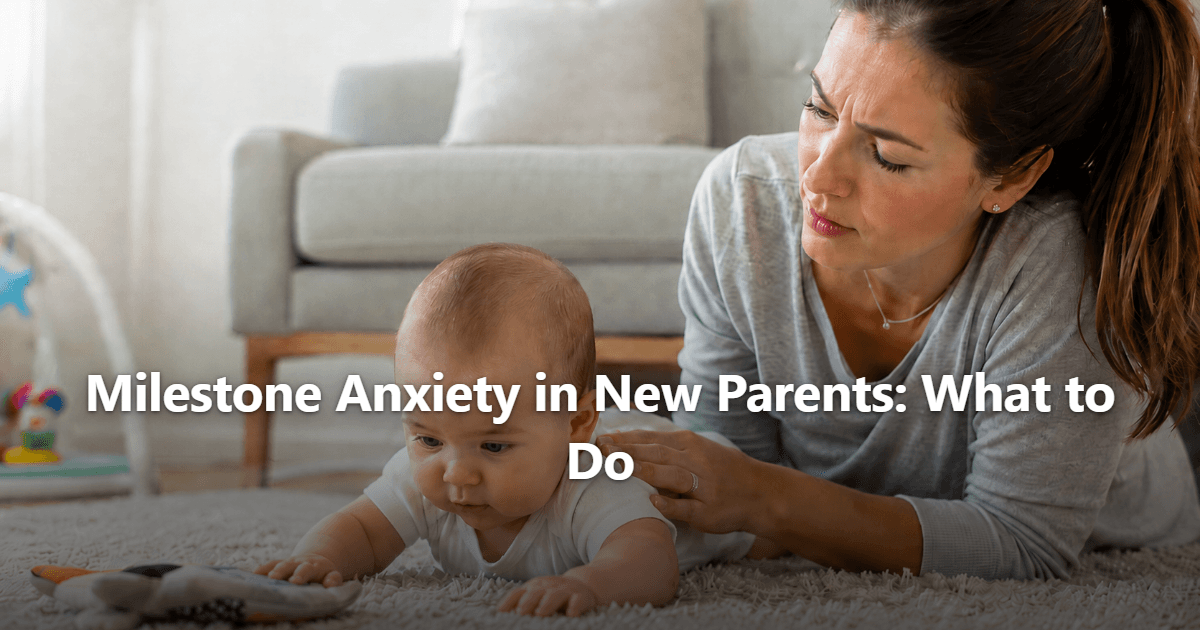
Milestone Anxiety in New Parents: What to Do
Worried your baby is behind? Learn why milestone anxiety is normal, what healthy development looks like, and when to call your pediatrician.
Read Morearrow_forward
Baby Development Anxiety: What's Normal and When to Worry
Losing sleep over your baby's milestones? Learn what normal baby development really looks like and when it's time to call your doctor.
Read Morearrow_forward