Using Pacifiers Past 6 Months Leads To Baby Problems Myth or Fact?
Using Pacifiers Past 6 Months Leads To Baby Problems – Myth or Fact? There are some babies that aren't pacifier babies and they kind of give it up after three or four months and once a baby gives it up oftentimes they are not interested in it again so it becomes a bit challenging to…

By Anat Furstenberg, Child Development Specialist · 20+ years
August 8, 2021·3 min read
Key Takeaways
- check_circleEvery Baby Is Different: Some babies naturally give up the pacifier at 3-4 months and never look back, while others will want it for a year, two years, or even longer -- both patterns are normal, and neither means something is wrong with your baby.
- check_circlePacifiers Serve a Real Developmental Need: For the first three to four years, babies have a genuine biological need for sucking -- pacifiers and comfort objects like blankies or soft toys help children self-soothe and feel secure in stressful or unfamiliar situations.
- check_circlePacifiers Are Safer Than Thumb Sucking: Prolonged thumb or finger sucking can cause serious dental alignment problems, while pacifier use has significantly less impact on teeth -- if your baby needs extra soothing, a pacifier is the more tooth-friendly option.
- check_circleComfort Objects Run in Families: If your partner or you had a special blankie or stuffed animal you could not let go of, your baby likely inherited a similar need for extra comfort and self-soothing -- this is a heritable trait, not a parenting failure.
- check_circleSet Boundaries, Not Bans: Rather than forcing your toddler to give up the pacifier entirely, limit it to certain times -- like sleep or particularly stressful moments -- so your child still has their comfort tool while not relying on it every single moment of the day.
Using Pacifiers Past 6 Months Leads To Baby Problems - Myth or Fact?
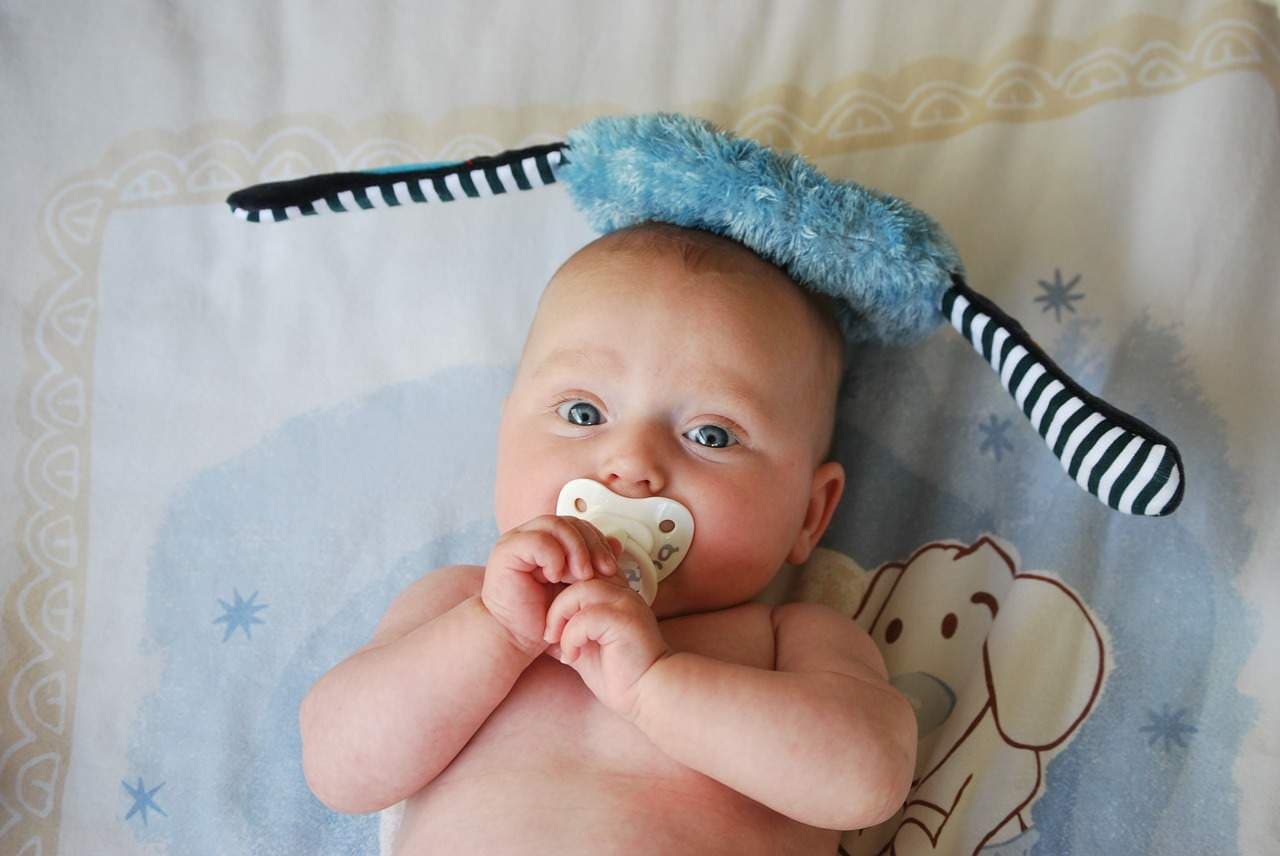
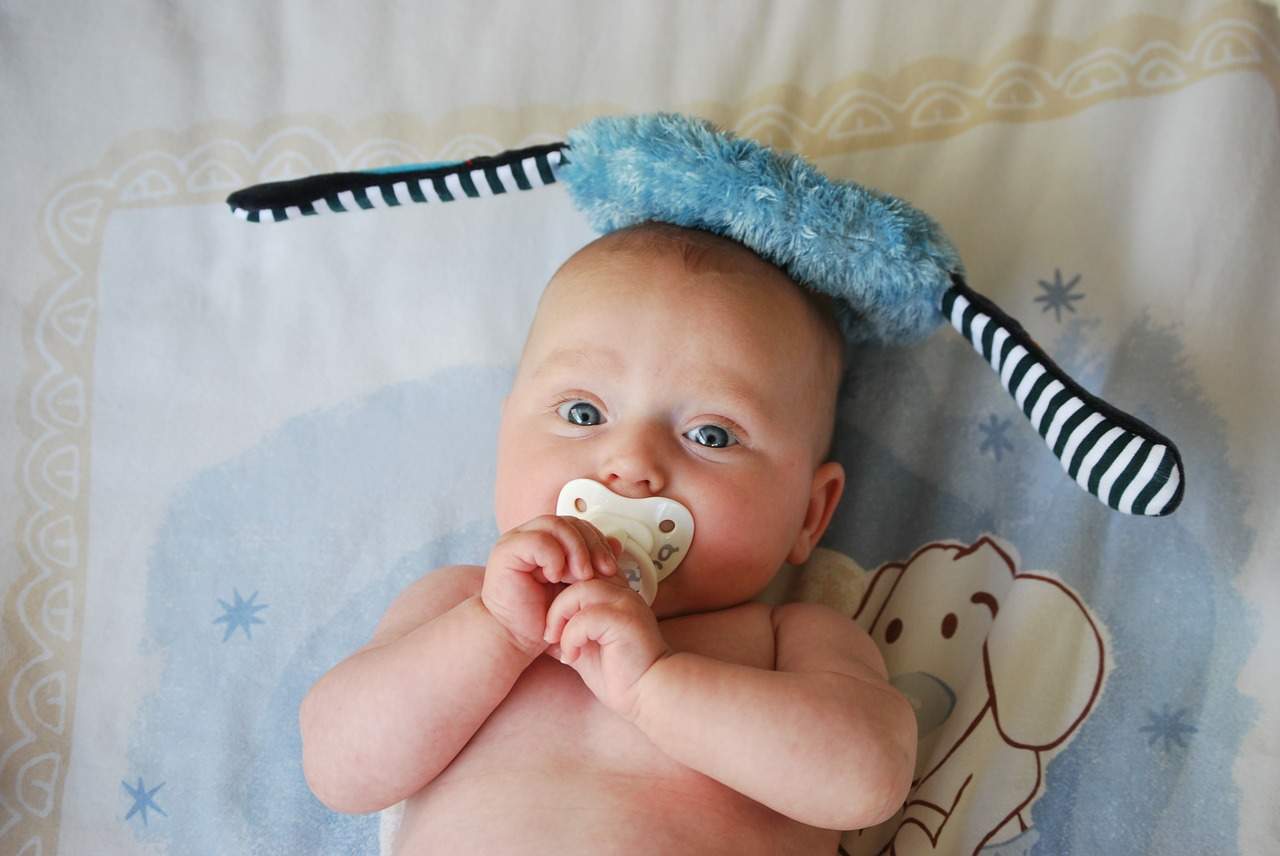
There are some babies that aren't pacifier babies and they kind of give it up after three or four months and once a baby gives it up oftentimes they are not interested in it again so it becomes a bit challenging to reintroduce pacifiers again.
On the other hand some babies don't want to give it up and some of them will use pacifiers for a year, two years and even three and four years and that's okay.
It turns out that different families have a different inherited pattern of needing extra soothing so what you may find in your family or your friends family is that the husband or wife had a teddy bear that they brought to college with them.
What I mean is that they loved it so much that they would never go anywhere without it or a blankie or Pasi or they'd suck their thumb or things like that and those are all kind of good things in a way because they help the child be more self-sufficient and be able to calm themselves in a frightening situation.
The problem with thumb sucking or finger sucking is it really messes up your teeth and that can become a real serious issue.
With pacifiers much less so and if you look at the way human beings used to live for the first three or four years of their life you were supposed to be nursing, so babies still even at 2 and at 3 and at 4 year old may still have a need for sucking so I wouldn't get bent out of shape about that if your baby needs his pacifiers.
I would only limit it to certain times or periods so that they don't have it every single second that they wanted. But, certainly in the first six months of life pacifiers can be a very very helpful tool.
Want to go deeper?
Get the full development system for your baby
Week-by-week guidance, milestone tracking, and expert video classes, all in one place.
See Plans & Pricingarrow_forwardYou May Also Like

Frequently asked questions and answers on low muscle tone (hypotonia)
"Empowering Your Baby with Low Muscle Tone: 3 Tips and Essential Exercises" Explore the world of low muscle tone in babies and discover answers to frequently asked questions. Learn about the connection between low muscle tone and developmental delays, speech issues, and more. Understand that the life expectancy of a baby with hypotonia depends on the underlying cause. Discover when hypotonia may manifest in babies and whether it is a lifelong condition. Explore ways to improve your baby's muscle tone through early intervention, therapies, and exercises.
Read Morearrow_forward
Breast Milk Benefits: 10 Surprising Uses Beyond Feeding
Breast milk has long been recognized as the ultimate source of nourishment for newborns, providing all the necessary nutrients and immunity-boosting properties to support a growing baby's development. But did you know that breast milk has a number of other surprising uses beyond feeding infants? It turns out that this powerful substance has a wide…
Read Morearrow_forward
Breastfeeding Secretes and Facts You Might Didn’t Know About.
Discover breastfeeding secrets and facts you might not have known — from how breast milk boosts your baby’s immunity and brain development to the surprising benefits for mothers’ health and well-being.
Read Morearrow_forward