Why do toddler constantly whining? Crying and whining is communication – do you understand your baby?
Why do toddlers constantly whine and cry? Understand the science behind tears, the types of crying, and how parents can respond with empathy to support their child's emotional development.

By Anat Furstenberg, Child Development Specialist · 20+ years
March 30, 2022·3 min read

arrow_downwardJump to section
Key Takeaways
- check_circleCrying Is Your Baby's First Language: From an evolutionary standpoint, crying and whining are a child's primary survival communication tool, designed to attract a caregiver's attention and enlist help when they need food, comfort, or safety.
- check_circleTears Are a Healthy Physiological Release: Crying actually removes stress hormones from the body, which is why children feel calmer after a good cry. Allowing your toddler to express emotions through tears supports their physical and emotional regulation.
- check_circleYour Reaction Shapes Their Crying Patterns: If you respond with panic, your toddler learns that crying signals danger. If you are dismissive, they feel abandoned. A calm, empathetic response teaches them that their emotions are heard and manageable.
- check_circleWhining Is Communication, Not Manipulation: Young children whine because they lack the vocabulary and emotional regulation skills to express distress in other ways. Treating whining as a message to decode rather than a behavior to punish leads to better outcomes.
- check_circleAs Long As They Are Safe, Let Them Cry: Allowing your toddler to cry and whine without immediately stopping it, provided they are not hurting themselves or others, gives their nervous system the chance to process and release emotional tension naturally.
There are different types of tears and different chemical compounds in tears. There are tears created to remove a foreign body from the eye, tears created by cutting an onion, and then there are tears whose function is to reduce tension, remove toxins from the body, and help us calm down. These are the crying tears of toddlers.
Evolutionists argue, and it sounds very logical, that children's crying is their first form of communication — especially communication for survival. Imagine a hungry baby, a cold baby, or a child who sees a snake. If they don't cry, no adult will come to save them. Crying is the quickest way to attract the attention of others and enlist their help.
The Science Behind Toddler Tears
When it is possible to examine the substances secreted in tears — specifically the high levels of the stress hormone — we can understand that crying is a necessary and efficient physiological process. It allows humans, especially the youngest ones, to cope with emotional distress by removing these chemicals from the body. Right after a good cry, do you feel better? This is because the tears have removed the chemical substances created by pressure, pain, and grief.
In my opinion, babies and toddlers should be allowed to cry and whine. Let them be free, let the stress hormone get out of their bodies. As long as the toddler does not hurt someone — let them express their feelings in tears and make it easier for their physical systems to rebalance.
How Parents React to Crying
The problem, in my opinion, is us: the crying of toddlers makes us feel all kinds of things. First, it calls us to be helpful. This is probably the primordial and primary role of weeping — to make us reach out, respond, help, comfort, and heal.
There are parents who completely fall apart when their child cries, as if it is the end of the world and they have to help right now, this second. Such a parent will envelop the child with such anxiety that the child will understand that something terrible is happening to them. The child may also realize that crying makes the parents respond so quickly and powerfully that they adopt crying as a tactic.
Some parents think that crying is a sign of weakness — as if weeping symbolizes an inability to function or cope with an uncomfortable situation. And some parents simply don't get excited. They leave their child alone in the battle, suffering without comfort.
What to Do When Your Toddler Cries
Parents, when your toddler is crying, go to your toddler. Embrace your child. Do not tell them "it's not so bad" or "it will pass" — because to the toddler, it is so terrible, they do not believe it will ever pass and they are already crying.
It is clear that from time to time an educational element must also be inserted, depending on what the crying is coming from. But the educational element — what I call "the lesson of learning the lessons" — can take place two or three hours later.
When your child cries, do not choke their crying. Give them legitimacy for their feelings — insulted, angry, hurt, and sad — and allow them, by crying, to restore balance to their body and reach a state where they will feel better through true, uninterrupted crying.
Want to go deeper?
Get the full development system for your baby
Week-by-week guidance, milestone tracking, and expert video classes, all in one place.
See Plans & Pricingarrow_forwardYou May Also Like
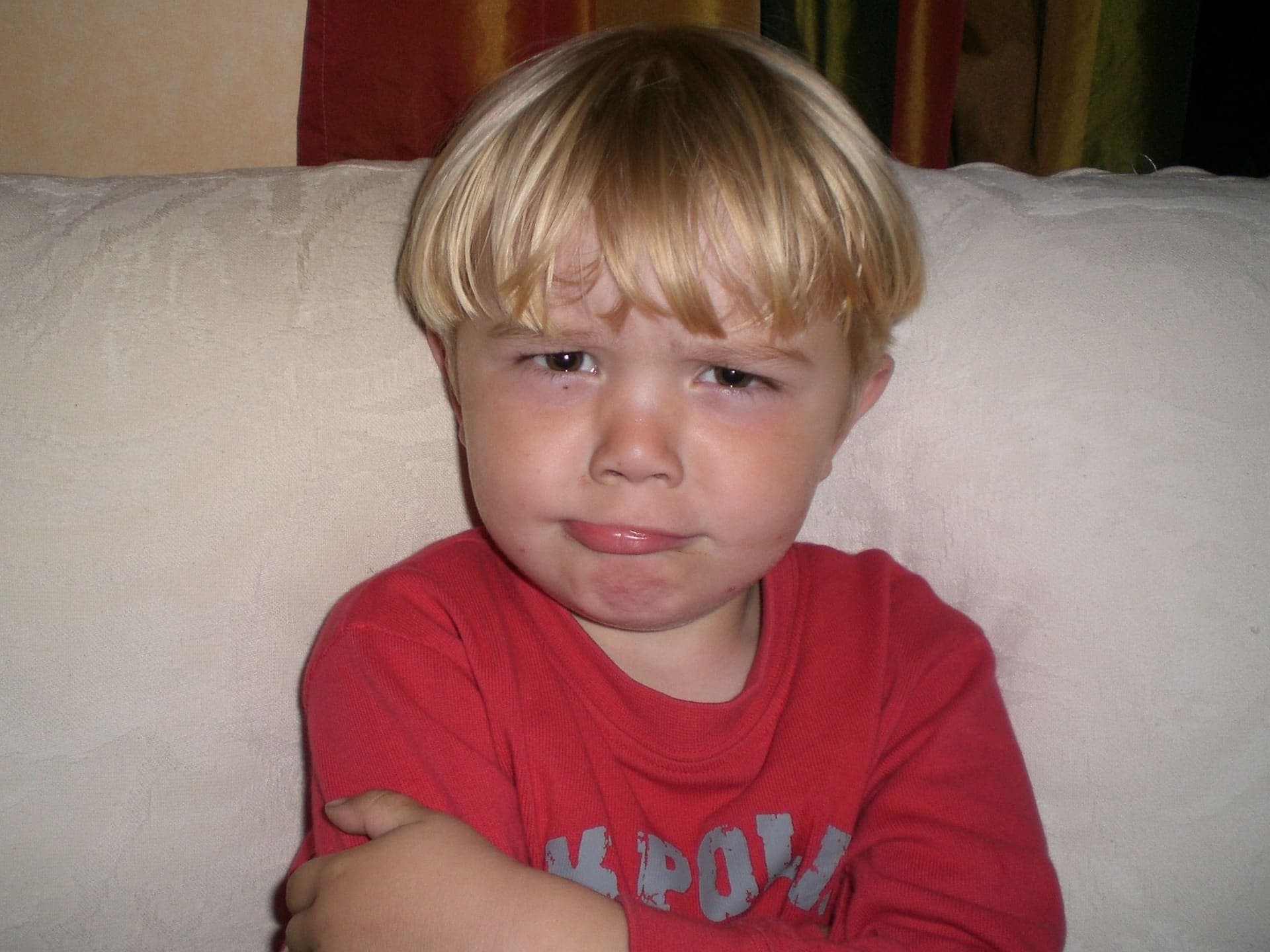
How to Handle a Baby Who Refuses to Wear Clothes.
During the first year, dressing your infant takes a lot of time and effort. New parents have a lot on their plates just trying to keep their baby clean, cozy, and dressed, not to mention the color controversy and the quick rate at which most infants outgrow their apparel. So, what do you do if…
Read Morearrow_forward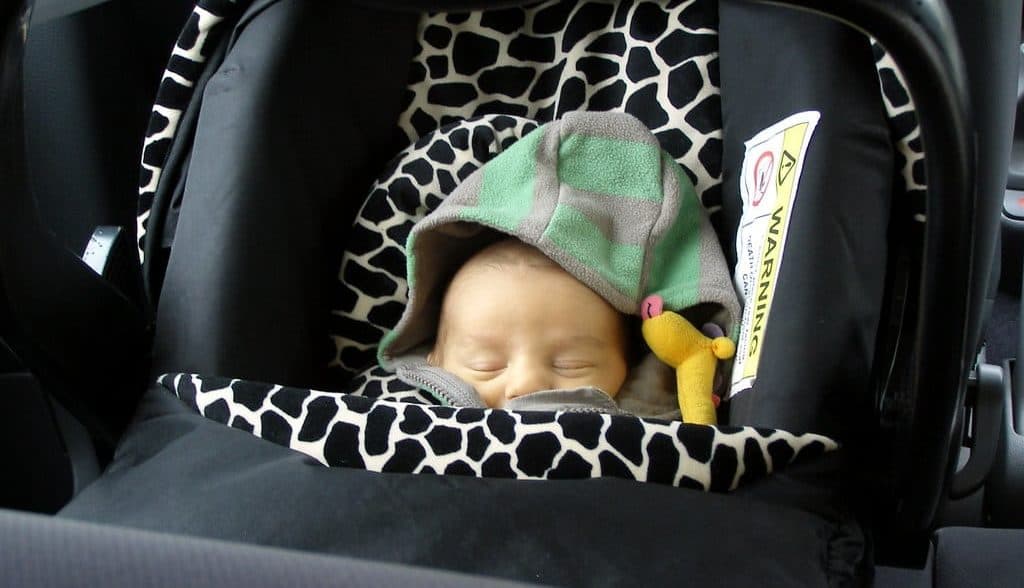
What can calm a baby while driving, or while in the car?
What can calm a baby while driving or in the car? Discover practical tips for soothing your newborn during car rides, from wrapping techniques to music, and when to safely pull over.
Read Morearrow_forward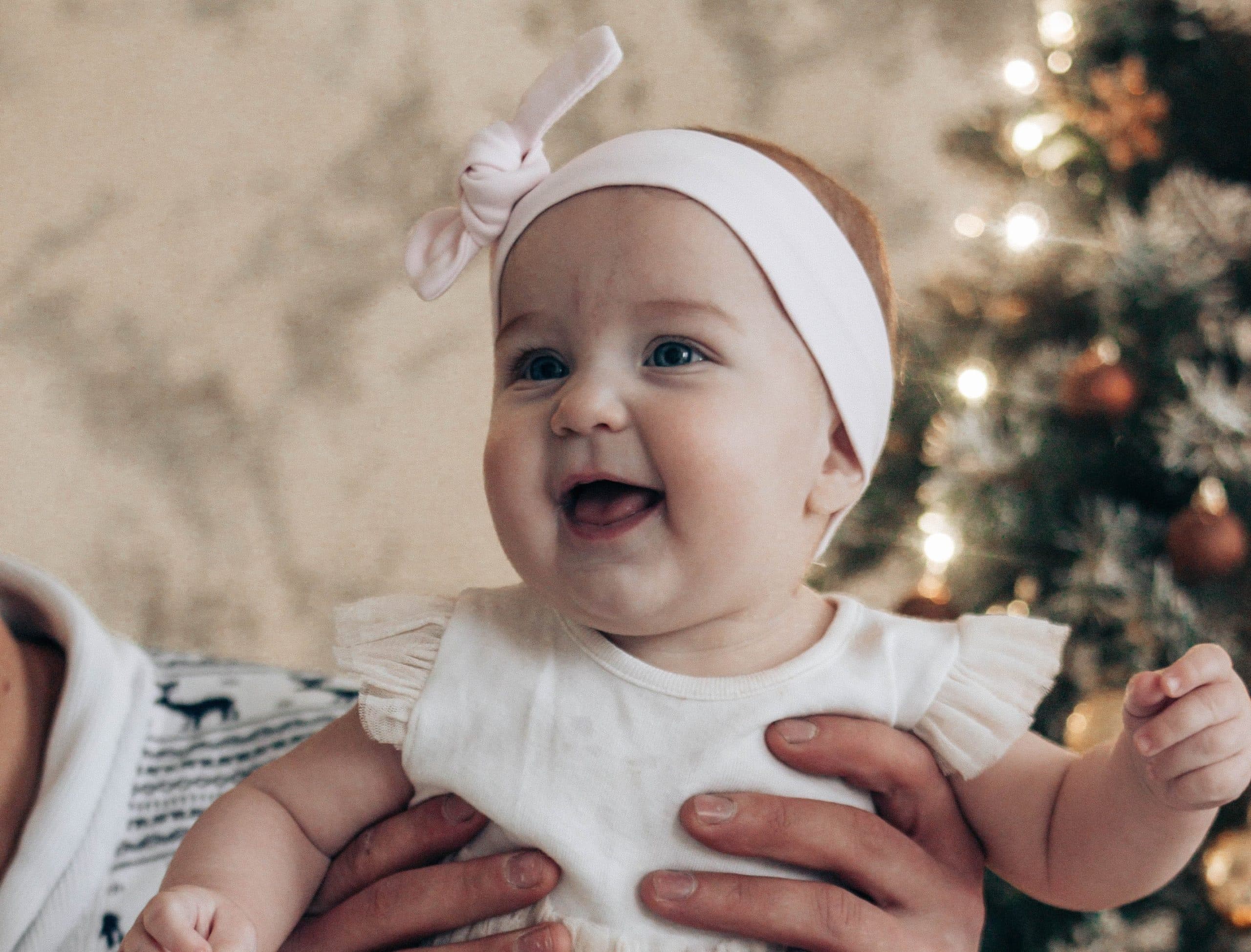
What to get your baby for his first Christmas? Only the best!
Congratulations if you're enjoying your baby first Christmas! If you're looking for your baby's first Christmas gift ideas, you've come to the perfect page. The holidays are usually a wonderful time for celebrating or creating new traditions, but if it's your baby's first Christmas, you'll want to go all out. So, make this first Christmas…
Read Morearrow_forward