Special Needs

Special Needs Baby: The Ultimate Resource to Development Delays

Is your child facing developmental challenges or special needs? Is he or she struggling to meet their developmental milestones? You are not alone, and there is expert help available.

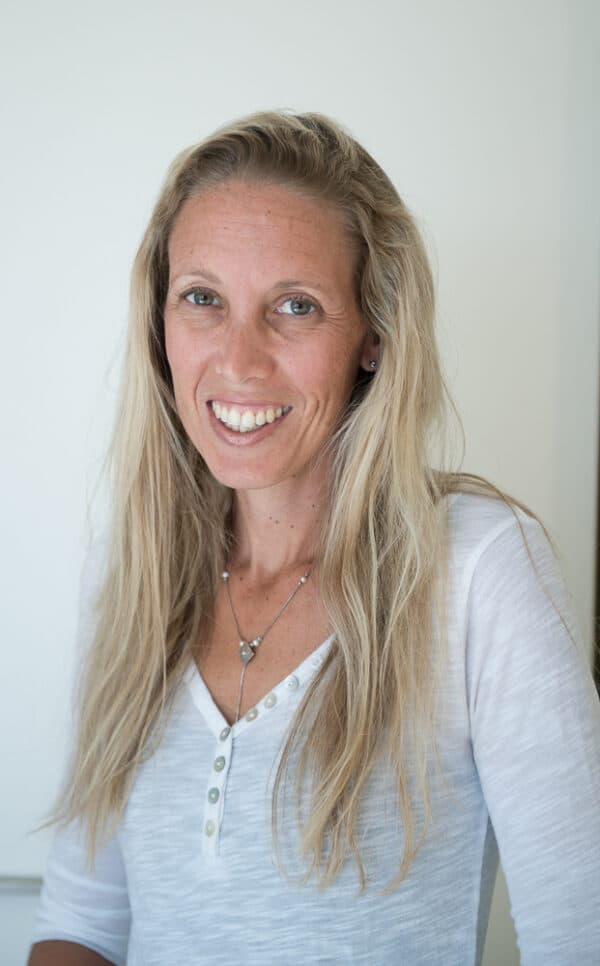
Anat Furstenberg - Child Development Specialist
A Personal Note from Anat

I specialize in working with children who have developmental delays and special needs, which encompass a wide range of disorders including genetic syndromes, brain injuries, autism, communication disorders, motor delays and disorders, low muscle tone, epilepsy, severe eating disorders, ADHD, and more. I strongly believe that involving parents and the child's environment in the therapeutic process is essential for fostering positive changes in their development.

My fundamental belief is that every child has the potential to realize their abilities. Drawing from my extensive experience working with numerous children, I have witnessed how those with injuries, syndromes, and disorders can achieve new learning, resulting in transformative improvements in various aspects of their lives and that of their families.

So, how does the process work? Initially, I focus on creating a conducive environment for the child and providing them with appropriate professional training. My objective is to identify and unlock the child's potential and opportunities for growth. One of my primary goals is to help the child relearn any developmental processes he may have missed due to his condition, effectively narrowing the gap between his chronological age and developmental stage.

The learning process is intensive and involves active participation from the entire family. Each developmental milestone builds upon the previous one, forming a solid foundation. By relearning or learning these milestones and consistently practicing them, we stimulate the brain and nervous system to enhance performance skills and to achieve his full developmental potential.

My therapy approach incorporates various developmental elements, including motor skills based on the Feldenkrais method, sensory techniques (such as the snoezelen room method), behavioral interventions, emotional support, social interactions, and more.

Parents play a vital role in the therapeutic process. Through our collaborative journey, we gain a mutual understanding of the changes necessary to facilitate the child's new learning. As a result, parents and the child's developmental environment, including their kindergarten or school, become integral parts of the overall process.

How Do We Get Started?

After our initial conversation, I will provide you with a questionnaire. Once you complete it, along with sharing relevant medical documents and a recent short video of the child, we will meet for an integrative diagnosis. This assessment focuses on exploring the child's potential rather than solely examining their disorder or difficulties.

The diagnosis can take place either in your home or through a secure video conference platform like Zoom, ensuring your child's safety. During this process, we will engage in interactive play.

After the diagnostic phase, we will discuss the therapy plan and determine the next steps following the intensive therapy. I firmly believe that by working together, we can achieve tangible results, continuous progress, and overall improvement for your child.

If you have any further questions or would like to begin this transformative journey, please reach out. I look forward to the opportunity to make a positive difference in your child's life.

Anat Furstenberg

A Guide for Every Parent

As a parent, it can be devastating to learn that your baby has a developmental delay or a special need. You may feel lost, overwhelmed, and unsure of where to turn for help. Each delay or syndrome has its unique set of challenges and can be difficult to understand and manage on your own.

I understand how challenging it can be, which is why I've created a comprehensive resource on special needs and baby development delays. Below you will find a brief overview of the most common developmental delays and syndromes, including Down syndrome, cerebral palsy, autism spectrum disorder, and much more, with links to more in-depth resources that can help you learn more about your baby's specific condition.

Don't let your baby's developmental delay or special need hold them back, learn more about the different conditions that can affect your child's development and get the information and support you need to help them thrive.

Developmental Conditions & Resources

Explore our in-depth guides for each condition. Each resource covers an overview, causes, symptoms, diagnosis, treatment, and support.

Down Syndrome

A genetic disorder caused by the presence of all or part of a third copy of chromosome 21. It is associated with physical growth delays, characteristic facial features, and intellectual disability.

Learn Morearrow_forward

Autism Spectrum Disorder

A developmental disorder characterized by difficulties with social interaction and communication, and restricted and repetitive patterns of behavior and interests.

Learn Morearrow_forward

Cerebral Palsy (CP)

A group of disorders that affect movement and muscle tone or posture. It is caused by damage to the developing brain before or during birth or in the first few years of life.

Learn Morearrow_forward

Angelman Syndrome

A rare genetic disorder that causes developmental disabilities, speech problems, movement and balance issues, and a happy and excitable demeanor.

Learn Morearrow_forward

Cri-du-Chat Syndrome

A rare genetic condition caused by a missing piece of chromosome 5, which results in intellectual disability, delayed development, and distinctive facial features.

Learn Morearrow_forward

Desanto Shinawi Syndrome

A rare genetic disorder that affects the development of the brain and causes developmental delay, intellectual disability, and distinctive facial features.

Learn Morearrow_forward

Wolf Hirschhorn Syndrome

A rare genetic disorder that causes developmental delays, intellectual disability, seizures, distinctive facial features, and other health problems.

Learn Morearrow_forward

Emanuel Syndrome

A rare chromosomal disorder that causes developmental delays, intellectual disability, and distinctive facial features.

Learn Morearrow_forward

Rett Syndrome

A rare genetic disorder that affects brain development and causes severe physical and mental disability.

Learn Morearrow_forward

KCNQ2 Gene Mutation

A genetic disorder that affects the nervous system and causes seizures, developmental delay, and intellectual disability.

Learn Morearrow_forward

Prader-Willi Syndrome

A rare genetic disorder that causes a wide range of physical, mental, and behavioral problems, including a constant feeling of hunger and a risk of obesity.

Learn Morearrow_forward

Williams Syndrome

A rare genetic disorder characterized by developmental delays, intellectual disability, and distinctive facial features.

Learn Morearrow_forward

Spina Bifida

A birth defect that occurs when the spine and spinal cord do not form properly. It can cause physical and intellectual disabilities.

Learn Morearrow_forward

Muscular Dystrophy

A group of inherited disorders that involve muscle weakness and loss of muscle mass.

Learn Morearrow_forward

Fragile X Syndrome

A genetic condition that causes intellectual disability, behavioral and learning challenges, and various physical characteristics.

Learn Morearrow_forward

Global Developmental Delay

A term used when children are significantly delayed in their cognitive and physical development compared to their peers.

Learn Morearrow_forward

What's In It For You And Your Baby

workspace_premium

Expert Parenting Support

Get expert guidance from a certified professional with years of experience and a proven record in parenting and child development.

child_care

Complete Baby Care

Get comprehensive coverage of all the important topics related to caring for your baby, including feeding, sleep, play, development and much more.

trending_up

Transform Baby's Life

Experience a dramatic improvement and transform your baby's sleep, feeding, and overall development in just a few short days.

Real Success Stories

format_quote

I believe that your exercises are perfectly composed. I like that you approach the child's development as a whole and that — unlike other websites on similar topics — you give specific, practical tips on supporting the child's development. The format of your video tutorials is very accessible.

format_quote

Anat is absolutely wonderful. After watching the videos, I decided to purchase a private session package to get specialized suggestions for my toddler who has gross motor delays and has been in physical therapy his whole life. Not only was Anat incredibly knowledgeable and creative with her suggestions, her warmth, support, and encouragement made the sessions therapeutic for me as well.

format_quote

The one on one sessions with Anat have been incredible; her advice is so much more impactful and qualified than any of the baby activity apps or websites out there. She's able to observe my baby's movements and make recommendations to help him with anything he's frustrated about. Typically after practicing these recommendations for a day, I'll see a change in his behavior the next day.

format_quote

I first started doing the BabyPillar video tutorials with my first child who was diagnosed with torticollis. I found the videos to be easy to follow, extremely helpful and in line with what our physical therapist was showing us. They helped me understand what milestones my child should be achieving and how to get there step by step.

Frequently Asked Questions

How does BabyPillars help with baby development?

BabyPillars helps parents by providing a clear understanding of what to expect during their baby's first years and what steps they can take to ensure healthy and happy baby development. The video guides provide a hands-on approach to baby development, allowing parents to see the process in action.

What is included in the BabyPillars video guides?

The video guides include step-by-step demonstrations of healthy baby development, covering topics such as feeding, sleeping, milestones, and more. Parents can use the guides to understand what to look for at each stage of their baby's development.

What is the difference between BabyPillars and other baby development resources?

BabyPillars offers hands-on video guides, rather than just reading a book or attending a demonstration. The video guides provide a clear understanding of what to expect during a baby's first years and what steps to take to ensure healthy development.

How does BabyPillars ensure healthy development for babies?

BabyPillars provides step-by-step video guides that show parents what to look for at each stage of their baby's development, allowing them to monitor their baby's growth and ensure healthy development. The program covers topics such as feeding, sleeping, and milestones.

Is there any age limit for the use of BabyPillars?

BabyPillars is designed for use during a baby's first years, typically up to age 2 or 3.

Can BabyPillars be used by both new and experienced parents?

Yes, BabyPillars can be used by both new and experienced parents as it provides a comprehensive understanding of baby development, regardless of previous experience.

What steps do I need to take to get started with BabyPillars?

To get started with BabyPillars, simply sign up for the program and follow the step-by-step video guides. The program provides a comprehensive understanding of what to expect during a baby's first years and what steps to take to ensure healthy development.

Take the First Step Today

Don't wait, take the first step towards a brighter future for your child. Schedule a one-on-one session with Anat or explore our resources.